



 $12.99 on Kindle, Nook, Apple Books, Kobo, Google Play
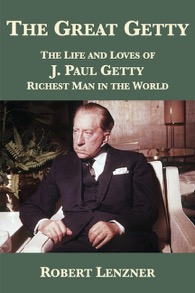
The Great Getty: The Life and Loves of J. Paul Getty — Richest Man in the World by Robert Lenzner (112,000 words, 44 illustrations)
“Robert Lenzner’s sensitive book sets the record straight... Mr Lenzner makes his readers aware of Getty’s unpleasantness without destroying their sympathy for his subject. This is a splendid book that gets to the heart of a complicated, inconsistent man who made himself extraordinarily rich. The overriding impression is of how understandable and ordinary Getty was.” — The Economist
“Getty was every bit as miserly as he was usually depicted... [Lenzner] give[s] a full exposure of the other well-known aspect of Getty’s character, his voracious womanizing from puberty on... it is hard to decide which Getty enjoyed more, penny-pinching or bottom-pinching... If somebody sits down to write the history of the oil industry in the 20th Century, Lenzner’s book will be of... value to him or her... [Lenzner] address[es] the inevitable old question — did Getty’s money make him happy? (Patently, no.)” — Bevis Hillier, The Los Angeles Times
“The Great Getty is thorough and serious. Mr. Lenzner, who is the chief New York correspondent for The Boston Globe, adequately translates the purely business history of the Getty empire... [a] useful reminder that being rich is not enough.” — Jane O’Reilly, The New York Times
“Lenzner gives us a warts-and-all biography of Getty (with an emphasis on the warts). In so doing, he goes far beyond Getty’s two self-serving autobiographies... which displayed Getty’s facility for substituting his intentions for his actions. The real Getty does not appear as the sort of fellow one might like one’s children to emulate. Reared by a father he despised and by a mother who smothered him with affection, he developed a poor respect for women, (leading him to bed hundreds of women from all social classes), a bottom-line mentality, and a frugality far beyond the bounds of thrift and prudence... Upon his death, his four remaining sons and his 14 grandchildren were at each other’s throats for his fortune.” — Kirkus